Saudi Arabia’s Urban Vision
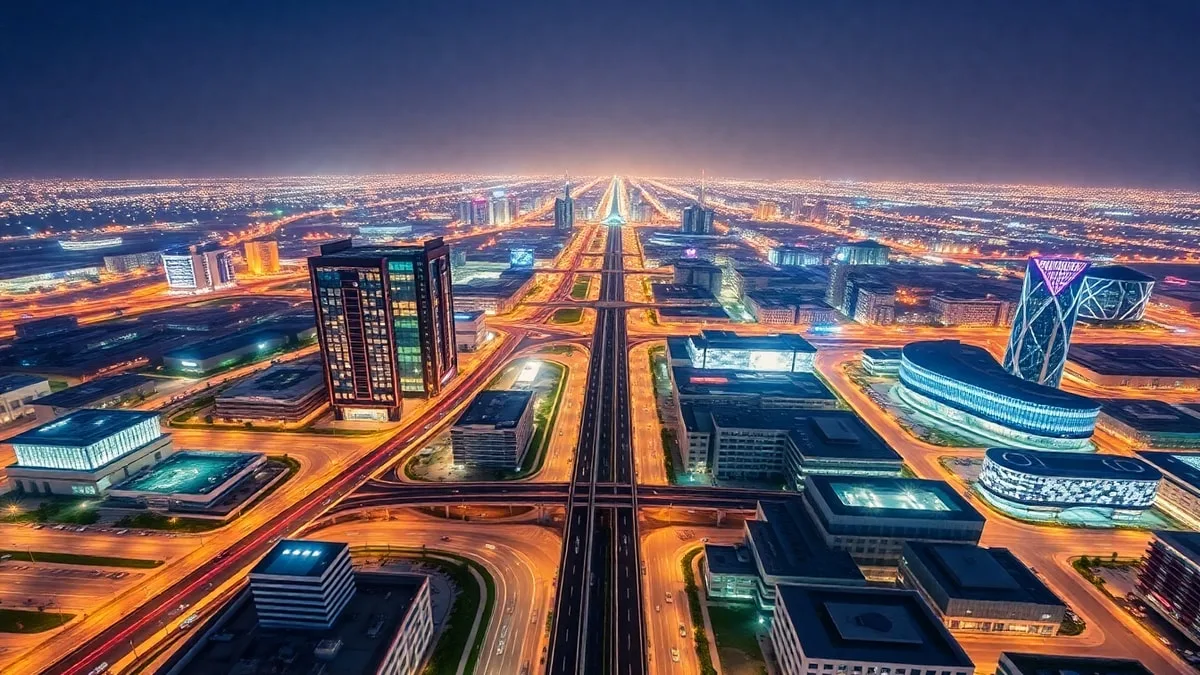
Vision 2030 is one of the most ambitious national transformation programmes in recent history. At its centre is a rethink of urban life — cities built from scratch with technology woven in from day one.
The scale speaks for itself:
- NEOM: $500 billion investment across 26,500 km²
- THE LINE: 170 km zero-carbon city for 9 million residents
- Qiddiya: 367 km² entertainment mega-destination
- Diriyah Gate: $20 billion cultural heritage development
- Red Sea Project: 28,000 km² luxury tourism destination
These are not incremental improvements. They are entirely new approaches to how people live, work, and move.
Core Smart City Technologies
Internet of Things (IoT) Infrastructure
Smart cities run on data, and IoT provides the nervous system:
Sensor Networks
- Environmental monitoring (air quality, temperature, humidity)
- Traffic flow detection and counting
- Structural health monitoring for buildings
- Utility consumption tracking (water, electricity, gas)
- Waste level detection for optimized collection
Communication Layers
- 5G networks for high-bandwidth, low-latency applications
- LoRaWAN for long-range, low-power sensors
- WiFi mesh networks for public connectivity
- Dedicated networks for critical infrastructure
Edge Computing
- Local processing reduces latency for real-time applications
- Privacy protection by processing data near source
- Resilience through distributed architecture
- Bandwidth optimization for cloud integration
Artificial Intelligence & Analytics
AI turns raw IoT data into decisions:
Predictive Maintenance Infrastructure components are monitored continuously. mission profiles predict failures before they occur, scheduling maintenance proactively rather than reactively.
Traffic Optimization Real-time traffic data feeds operations systems that:
- Adjust signal timing dynamically
- Suggest optimal routes to navigation apps
- Manage parking availability
- Coordinate autonomous vehicle fleets
Energy Management operator balances energy supply and demand:
- Predict consumption patterns by time and location
- Optimize renewable energy integration
- Manage grid storage systems
- Enable dynamic pricing for demand response
Public Safety Computer vision and analytics enhance security:
- Crowd density monitoring
- Anomaly detection in public spaces
- Emergency response optimization
- Crime pattern analysis for prevention
Digital Twin Platforms
THE LINE and other megaprojects employ full-scope digital twins:
Design Phase
- Simulate building performance before construction
- Optimize layouts for energy, traffic, and livability
- Visualize projects for stakeholder approval
- Identify design conflicts early
Construction Phase
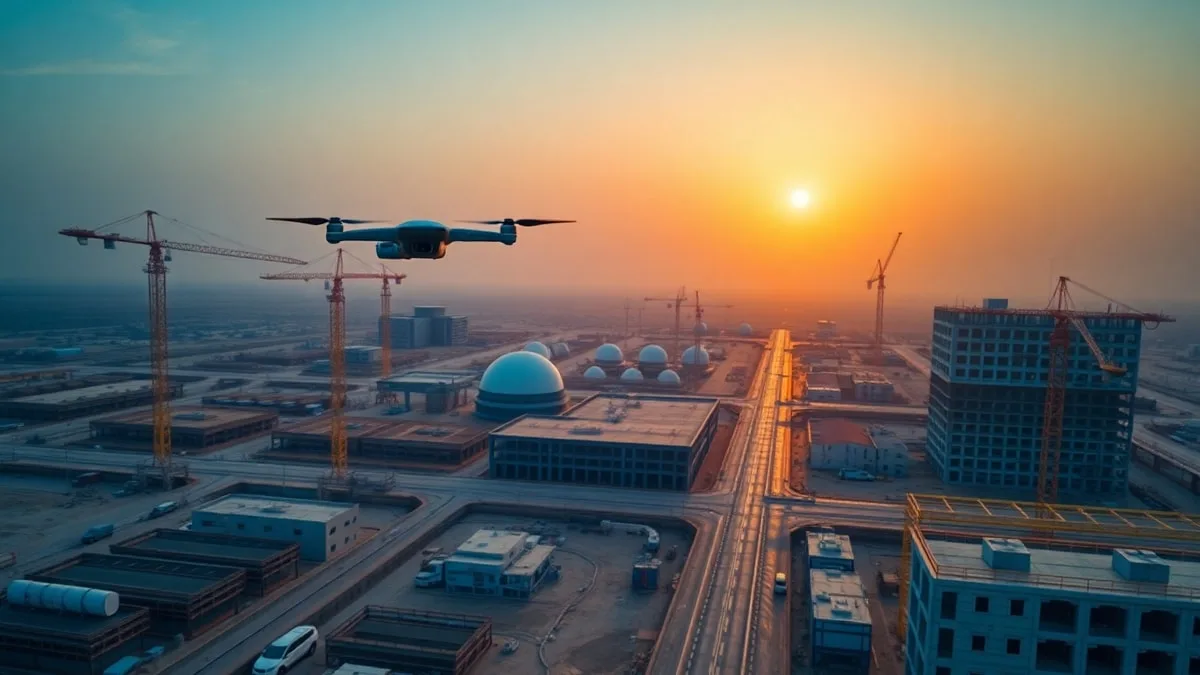
- Compare progress against plans in real-time
- Coordinate multiple contractors efficiently
- Track materials and equipment locations
- Document as-built conditions automatically
Operations Phase
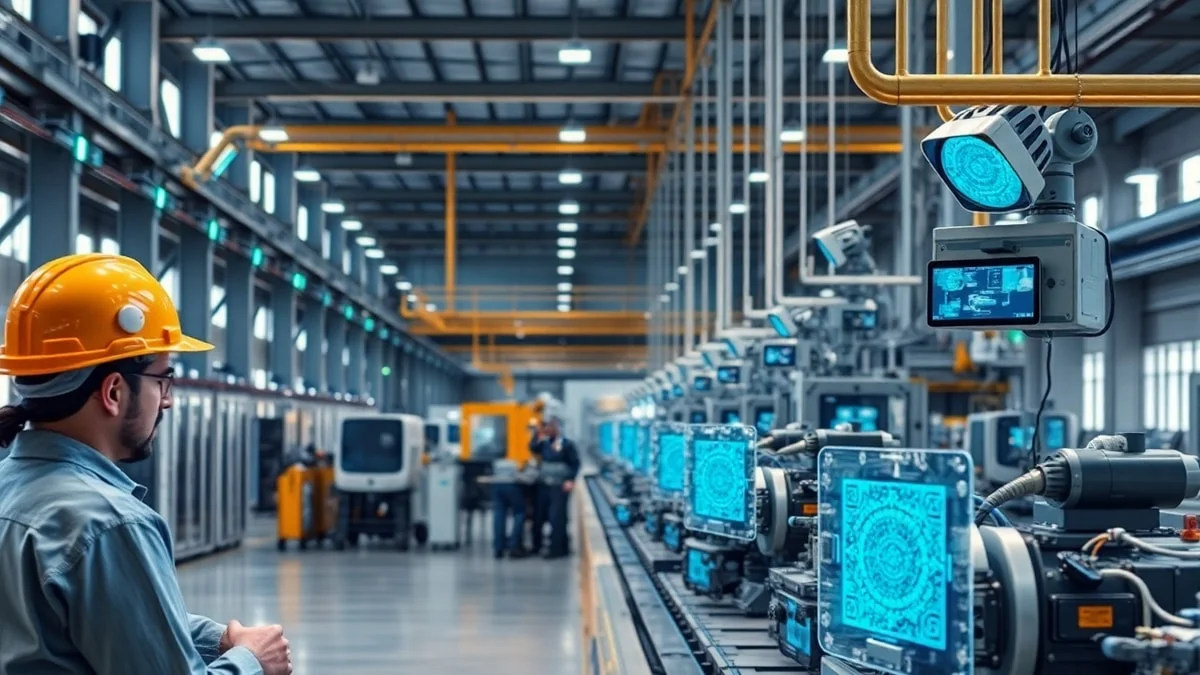
- Monitor all building systems from single interface
- Simulate scenarios for emergency planning
- Plan maintenance with minimal disruption
- Continuously optimize based on real usage data
Autonomous Mobility
Transportation in Saudi smart cities will look radically different:
THE LINE’s Approach
- No cars within the city structure
- High-speed rail spine (200+ km/h)
- Autonomous pods for last-mile transport
- Walking distance to all daily needs (5-minute city concept)
NEOM Autonomous Vehicles
- Dedicated autonomous zones
- Electric vertical takeoff aircraft (eVTOL)
- Underground logistics network
- Drone delivery systems
Sustainable Systems
Environmental sustainability is non-negotiable:
Energy
- 100% renewable power generation
- Large-scale solar and wind installations
- Battery storage for 24/7 reliability
- Hydrogen production for export and local use
Water
- Desalination powered by renewables
- Advanced wastewater recycling
- Smart irrigation for landscapes
- Atmospheric water generation
Waste
- Pneumatic waste collection systems
- operator-sorted recycling facilities
- Circular economy principles
- Zero-waste-to-landfill targets
Implementation Approach
Phase 1: Foundation Infrastructure
Before smart applications come essential foundations:
- Fiber optic backbone connecting all areas
- 5G network deployment for ubiquitous connectivity
- Data center capacity for processing and storage
- Power infrastructure ensuring reliability
- Standardized APIs enabling system integration
Phase 2: Core Platforms
Central platforms coordinate city-wide systems:
- Urban operations center integrating all feeds
- Digital twin platform maintaining city model
- Data exchange layer enabling secure sharing
- Identity management for secure access
- Payment infrastructure for frictionless transactions
Phase 3: Smart Applications
Applications deliver value to residents and visitors:
- Resident services app for city interactions
- Mobility-as-a-service for integrated transport
- Energy management portals for consumption visibility
- Emergency services with intelligent dispatch
- Visitor experiences with personalized recommendations
Phase 4: Advanced Capabilities
Mature systems enable current features:
- Autonomous vehicle integration at scale
- Predictive city management anticipating needs
- Hyper-personalization for each resident
- City-to-city cooperation across the Kingdom
- Innovation networks for continuous improvement
Opportunities for Technology Providers
Saudi smart cities create massive demand for:
Construction Technology
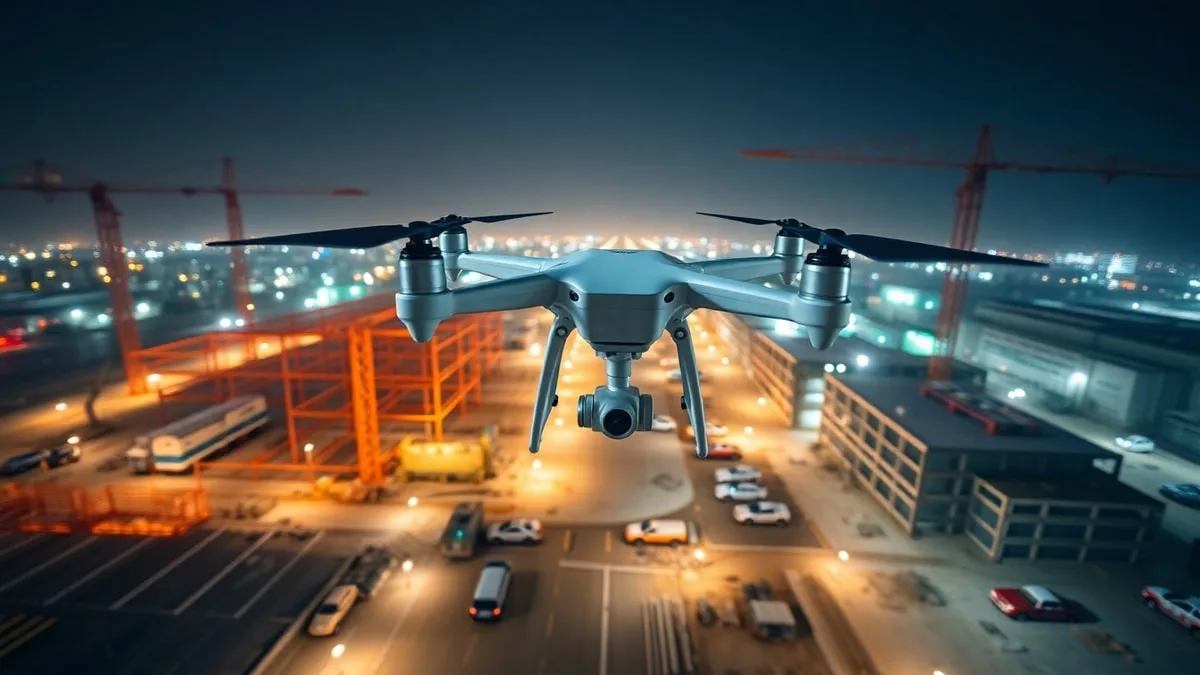
- Drone monitoring systems
- IoT-enabled materials tracking
- edge safety compliance
- 3D printing and modular construction
- Digital twin platforms
Urban Infrastructure
- Smart street lighting
- Intelligent traffic systems
- Environmental sensors
- Waste management systems
- Water management technology
Building Systems
- Smart HVAC optimization
- Predictive maintenance platforms
- Access control and security
- Energy monitoring and management
- Occupancy analytics
Citizen Services
- Mobile applications
- Digital identity solutions
- Payment systems
- Health monitoring
- Entertainment platforms
Challenges and Considerations
Technical Challenges
- Interoperability: Integrating systems from multiple vendors
- Cybersecurity: Protecting critical infrastructure
- Scalability: Supporting millions of devices and users
- Reliability: Ensuring 24/7 operation
- Data privacy: Balancing insights with protection
Organizational Challenges
- Talent: Developing local expertise
- Governance: Coordinating across entities
- Standards: Establishing common frameworks
- Procurement: Managing complex contracts
- Change management: Adopting new approaches
Environmental Challenges
- Extreme climate: Operating in 50°C+ temperatures
- Remote locations: Logistics for distant sites
- Resource constraints: Water scarcity demands innovation
- Ecosystem impact: Minimizing environmental footprint
The Path Forward
Saudi Arabia’s smart city investments are creating a proving ground for urban innovation at a scale that is genuinely new. Technologies tested here will influence cities worldwide for decades.
For companies in construction technology, AI, IoT, and related fields, the opening is substantial. Those who establish a presence now will help shape how cities are built and run.
ViewKeeper provides smart city technology solutions across Saudi Arabia. Contact us to explore partnership opportunities for Vision 2030 projects.